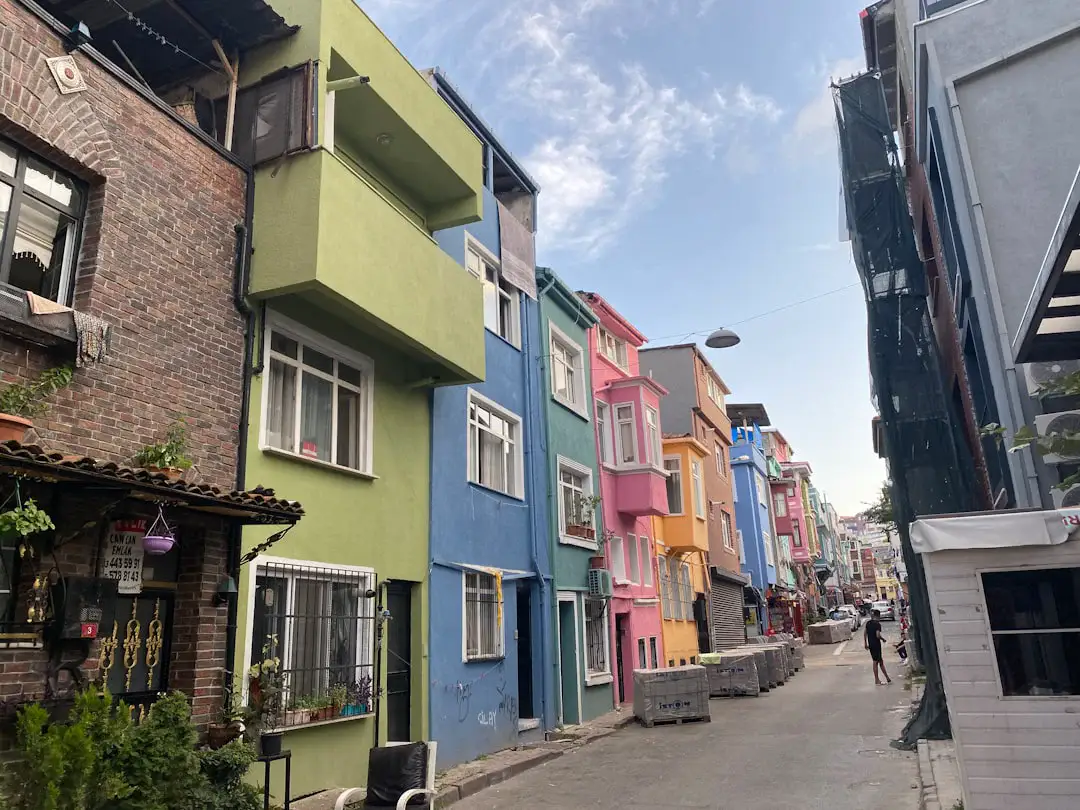
The best photography spots in Istanbul with practical tips for capturing the city's stunning architecture, street life, and landscapes. Covers iconic locations including Hagia Sophia at golden hour, the Grand Bazaar interior, Galata Tower viewpoints, Bosphorus waterfront scenes, and lesser-known spots in Balat and Kadikoy. Includes camera settings advice, best times of day for each location, and drone photography regulations in Turkey.
Istanbul is a city that photographs itself. You do not need to search for compositions — they present themselves at every turn: a silhouetted minaret against a molten sunset over the Golden Horn, a fisherman casting from the Galata Bridge with the Süleymaniye Mosque floating in the background haze, a street cat framed by crumbling Ottoman doorways in Balat, ferry wakes drawing white lines across the deep blue of the Bosphorus. The challenge in Istanbul is not finding photogenic scenes but choosing among the overwhelming abundance of them. With 8,000 years of architectural layering — Roman, Byzantine, Ottoman, Republican, and modern — compressed into a city of 16 million people sprawled across two continents, Istanbul offers more photographic variety per square kilometer than almost any city on Earth. This guide covers the locations, timing, light conditions, and practical knowledge that separate tourist snapshots from photographs worth printing.
TL;DR: Istanbul's best photography locations: Galata Tower rooftop (panoramic, best at sunset), Süleymaniye Mosque terrace (Golden Horn views, morning light), Balat/Fener (colorful streets, diffused light), Bosphorus ferries (water-level cityscapes, golden hour), Grand Bazaar (interior light, wide-angle), Ortaköy (mosque with bridge backdrop). Best light: October-April for dramatic low-angle sun; avoid midday May-September (harsh overhead light). Golden hour: ~45 minutes before sunset from elevated positions. Weather: overcast days are excellent for street photography; fog over the Bosphorus creates rare, magazine-quality conditions. Bring: wide-angle (16-35mm) and medium telephoto (70-200mm); prime 35mm for street work.
7
Historic hills of Istanbul — each offering distinct elevated vantage points
3,000+
Mosques in Istanbul — minarets define the skyline from every angle
30 km
Bosphorus strait length — a continuous waterfront photography corridor
Oct-Apr
Best months for photography — low sun angle, dramatic light, atmospheric conditions
The Golden Horn and Historic Peninsula
The Süleymaniye Mosque terrace — accessible freely from the mosque's garden — is Istanbul's finest photography viewpoint for the Golden Horn. Facing east from the terrace in the morning, the low sun illuminates the waterway, the Galata Tower, and the cascade of rooftops descending to the waterfront. The composition is classic: foreground domes and minarets of the mosque complex, midground water with ferry traffic, and background modern skyline of Beyoğlu. The light is best within 90 minutes of sunrise, when the angle is low enough to create depth and warmth without the harsh shadows that develop by mid-morning.
The Galata Bridge itself is both a photography location and a subject. Shooting from the bridge provides eye-level water compositions with the Yeni Mosque, Süleymaniye, and the historic peninsula as background. Shooting the bridge from the waterfront (either the Eminönü or Karaköy side) captures the human activity — fishermen, tea vendors, commuters — that makes it one of Istanbul's most alive public spaces. The Galata Tower observation deck provides the panoramic view: 360 degrees of the city with the Historic Peninsula spread below, the Bosphorus cutting through to the east, and the Golden Horn curving inland to the west. Late afternoon light from the tower illuminates the Old City facades in warm gold while the water catches reflections — the definitive Istanbul overview image.
The adjacent neighborhoods of Balat and Fener on the western shore of the Golden Horn have become Istanbul's most photographed residential areas — and for good reason. The streets are lined with Ottoman-era wooden houses painted in fading pastels, iron balconies overhung with laundry, and corner shops with decades-old signage. The narrow streets create natural light channels: direct sun enters only briefly, producing dramatic shafts of light against shadow, while overcast conditions create the soft, even illumination that makes colors glow without harsh contrast.
The best approach to Balat photography is wandering without a specific destination — the streets reward exploration, and the most compelling compositions (a cat in a doorway, children playing on steps, an old man at a café window) are found rather than planned. For the famous colorful houses on Kiremit Caddesi and surrounding streets, morning light (before 10 AM) or overcast conditions produce the truest colors; direct midday sun washes out the pastel tones that define the neighborhood's photographic character. Be respectful — these are residential streets where people live, not a photography set. Ask before photographing people, respond gracefully if someone declines, and remember that the best street photography captures life as it is, not life as you have arranged it.
The Bosphorus by Ferry
The Bosphorus by ferry — the best moving vantage point for photographing Istanbul's waterfront mosques and palaces
Istanbul's public ferries are floating photography platforms that offer perspectives unavailable from land. The Eminönü-Kadıköy commuter ferry (20 minutes, a few lira with Istanbulkart) crosses the Bosphorus with views of both the European and Asian skylines. The longer Bosphorus cruise ferries (90 minutes to Anadolu Kavağı) travel the full length of the strait, passing Ottoman waterfront palaces (yalıs), the Rumeli and Anadolu fortresses, the Bosphorus bridges, and fishing villages that look unchanged from the 19th century. For photographers: stake out the open rear deck, shoot with a medium telephoto (70-200mm) to compress the layered skyline, and time the crossing for golden hour.
The sunset ferry from Kadıköy to Eminönü is the single most photogenic 20 minutes in Istanbul — the sun dropping behind the historic peninsula, silhouetting the minarets of the Sultanahmet skyline, while the water turns from blue to gold to pink. Arrive at the Kadıköy ferry terminal 15 minutes early to secure a position on the upper rear deck (port side for the best sunset angle). The Bosphorus at dawn — calmer water, softer light, fishing boats trailing nets — produces a different but equally compelling set of images. Both crossings cost under a dollar and deliver photographs that no land-based viewpoint can replicate.
Mosques, Bazaars, and Interior Light
Istanbul's mosques offer some of the world's finest interior photography opportunities — but they require understanding of both light and etiquette. The Blue Mosque (Sultan Ahmed Mosque) is best photographed from inside looking upward, with the thousands of İznik tiles creating a cascade of blue-and-white pattern that fills wide-angle frames. The light enters through 200+ stained-glass windows, and the quality varies dramatically with time and weather: morning light on a sunny day fills the eastern windows with color; overcast light produces an even, diffused glow that allows the tile work to dominate without competing light sources. Hagia Sophia's interior combines Byzantine mosaics with Ottoman calligraphy — the massive dome creates a vertical space that demands a wide-angle lens (16-24mm) and a willingness to shoot upward from the ground floor.
The Grand Bazaar is one of the world's great interior photography environments — 4,000 shops under a vaulted roof where shafts of light enter through small openings, illuminating displays of carpets, ceramics, lanterns, and jewelry in dramatic spotlights against shadow. Wide-angle lenses (16-35mm) capture the scale; a fast prime (35mm or 50mm f/1.4-f/1.8) allows available-light portraits of shopkeepers. Flash is both impractical (the spaces are too large) and destructive of the atmospheric quality that makes bazaar photography compelling. The Spice Bazaar is smaller but equally atmospheric, with the added advantage of colorful spice displays that photograph well in almost any light condition.
Light, Weather, and Timing
Istanbul's golden hour — the city's minarets and domes silhouetted against dramatic sunset skies
Istanbul's photography calendar divides into two seasons. October through April offers low-angle sun that creates depth and drama, atmospheric conditions (fog, rain, cloud formations) that add mood, and shorter days that make golden hour accessible at reasonable times (sunset at 5-6 PM rather than 8:30 PM). Summer (May-September) brings long days but harsh overhead light from 10 AM to 5 PM that flattens Istanbul's hilly topography and washes out the warm tones of stone and tile. Summer photographers should work exclusively in early morning and late evening, treating the middle of the day as editing time.
Istanbul's most extraordinary photographic conditions occur during Bosphorus fog — typically autumn and early winter mornings when cold air meets warmer water. Minarets and bridge towers emerge from white mist, ferries materialize and disappear, and the city takes on an ethereal quality that produces genuinely rare images. These conditions cannot be planned — they occur perhaps 10-15 mornings per year — but checking weather forecasts for high humidity combined with calm winds and temperature inversions improves your chances. Rain is not a photography obstacle in Istanbul — it is an opportunity: wet cobblestones reflect mosque illumination, umbrellas add color to street scenes, and the emptied tourist locations reveal their architecture without human clutter.
Gear, Etiquette, and the Istanbul Photographer's Strategy
The ideal Istanbul photography kit: a wide-angle zoom (16-35mm) for interiors, skylines, and street scenes; a medium telephoto (70-200mm) for compressed cityscapes from ferries and elevated positions and for isolating architectural details; and a fast prime (35mm f/1.4 or f/1.8) for street photography and low-light bazaar work. A tripod is useful for dawn and dusk work from fixed viewpoints (the Süleymaniye terrace, the Galata Tower) but impractical in the bazaars, mosques, and narrow streets where handheld shooting is both more practical and less intrusive.
Mosque photography etiquette: remove shoes before entering, dress modestly (shoulders and knees covered for both men and women — headscarves are provided at major mosques for women), do not photograph people praying, and do not use flash. Prayer times (five times daily, posted at mosque entrances) restrict access — plan visits between prayers for the most unobstructed interiors. The strategy for maximizing a photography trip to Istanbul: spend golden hours at elevated viewpoints (Süleymaniye, Galata Tower, Pierre Loti café above Eyüp), midday at interiors (mosques, bazaars), overcast days in Balat and the street markets, and any ferry crossing timed for the best available light. Istanbul gives photographers everything. The only limit is how much of it you can organize into a schedule.
The Fog Opportunity: Bosphorus fog is Istanbul's rarest and most valuable photographic condition — occurring perhaps 10-15 mornings per year, typically in late autumn and early winter when cold air settles over warmer water. The effect is extraordinary: minarets and skyscrapers emerge from white mist as if floating, ferry boats appear and vanish like ghosts, and the Bosphorus bridges become disconnected arcs suspended in white space. If you wake to fog in Istanbul, cancel all plans and go to the waterfront — the Galata Bridge, the Üsküdar ferry terminal, or the Ortaköy waterfront. Fog lifts quickly once the sun warms the air, and the window may last only 1-2 hours. The images produced in these conditions are the ones that define photography portfolios — the Istanbul that exists for a moment and then dissolves.
The Authenticity Paradox: Istanbul's most photographed locations — the Blue Mosque from the park, Galata Tower from İstiklal, the Balat colored houses — are genuinely beautiful, but they have been photographed so many millions of times that producing an original image from these spots requires extraordinary conditions (fog, unusual light, fortuitous human activity) or deliberate creative deviation from the expected composition. The paradox of photography tourism is that the most photogenic locations attract the most photographers, producing the most similar images, making originality hardest where beauty is most obvious. The solution is not to avoid the classics but to balance them with exploration: the back streets of Kadıköy, the industrial waterfront of Kasımpaşa, the markets of Fatih — places where Istanbul's photographic richness exists without the competition of a thousand identical compositions.
Shoot the Eminönü-Kadıköy ferry at sunset from the open rear deck — the most photogenic 20 minutes in Istanbul
Visit Balat on overcast mornings — diffused light makes the pastel house colors glow without harsh shadows
October-April offers the best photography light — low sun angles, atmospheric conditions, and dramatic skies
If you wake to Bosphorus fog, drop everything and go to the waterfront — these conditions are rare and produce extraordinary images
Istanbul is not a city that requires photographic skill to look beautiful — a phone snapshot from the Galata Bridge captures a scene that most cities could never produce. But Istanbul does reward photographic intention: the photographer who understands light, who times visits for golden hour, who knows which elevated positions offer which compositions, who explores beyond the postcard locations, and who is patient enough to wait for fog, rain, or the perfect moment of human activity within a frame — that photographer finds in Istanbul a city of inexhaustible depth. Three millennia of architecture, two continents, a waterway that functions as both subject and reflector, 16 million people generating constant human activity, and weather that ranges from Mediterranean brilliance to atmospheric mist — Istanbul gives photographers everything. The only limit is how much of it you can see.